Corner cabinets can provide valuable storage space, but their deep and difficult-to-reach interiors often make them one of the least convenient areas in a kitchen. Items placed at the back can become difficult to see or access, which can lead to wasted space and poor organization. A well-designed corner cabinet storage solution can transform this unused area into practical, accessible storage while making everyday kitchen tasks more efficient.
Installing a corner cabinet organizer does not always require complicated modifications, but the process requires careful planning. The cabinet dimensions, configuração da porta, available clearance, mounting position, and load capacity all affect the final result. Whether you are installing a blind corner pull-out, rotating shelf system, swing-out organizer, or another type of corner storage system, following the correct installation process can help ensure smooth operation and long-term reliability.
What Is a Corner Cabinet Storage Solution?
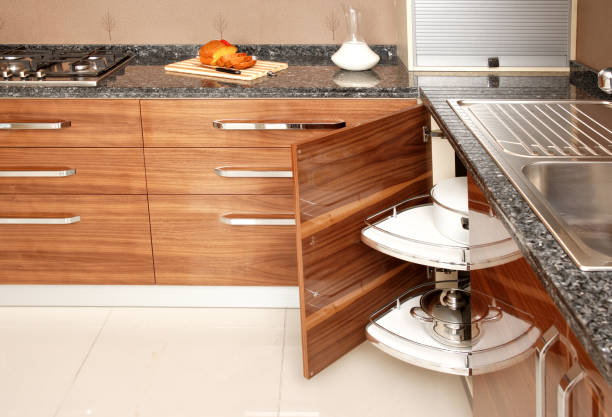
A corner cabinet storage solution is a storage system designed specifically to improve the accessibility and usability of corner cabinet space. Unlike a traditional fixed shelf, a specialized organizer allows stored items to move, rotate, swing, or pull forward so users can reach areas that would otherwise remain difficult to access.
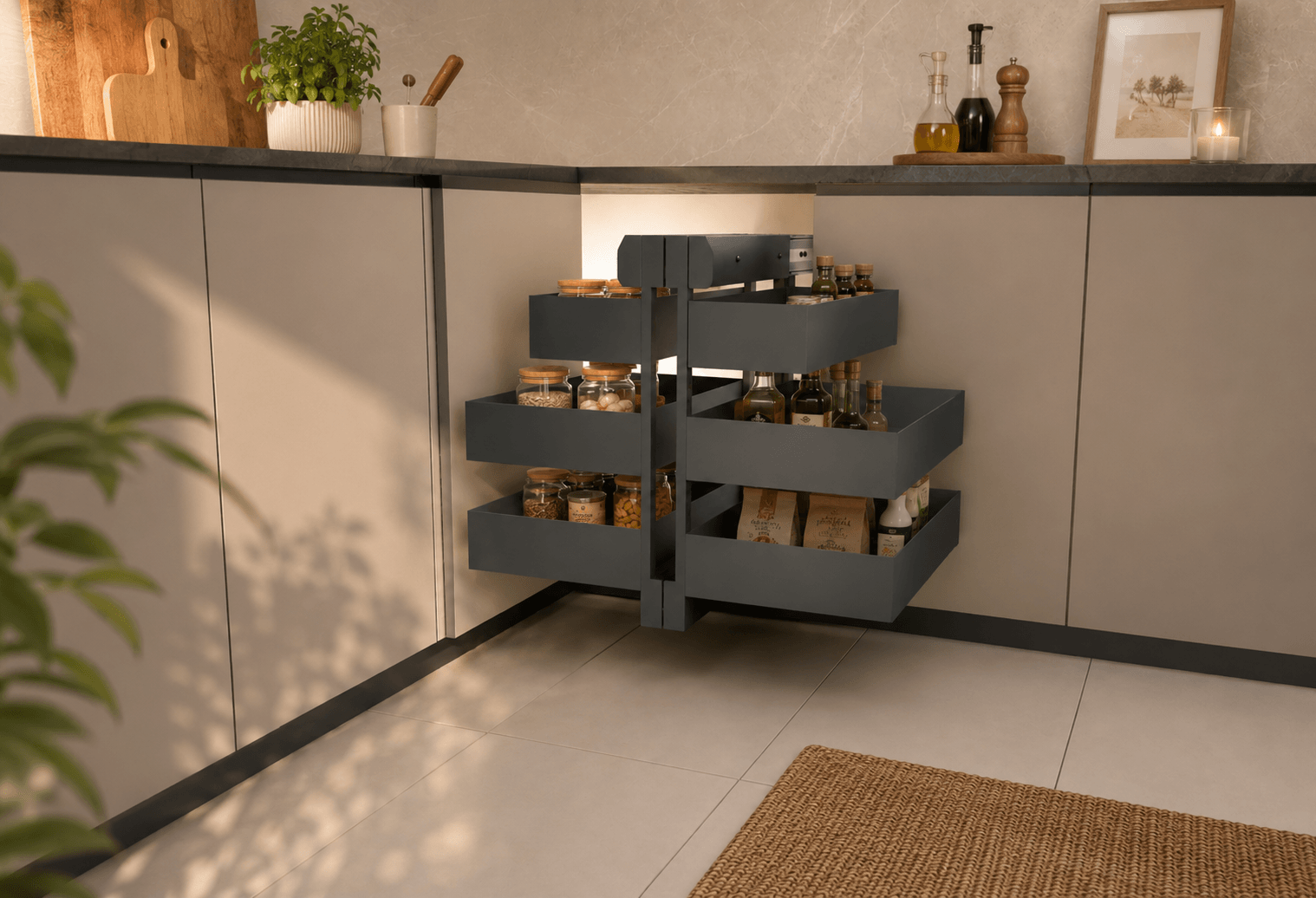
Corner storage systems are especially useful in L-shaped and U-shaped kitchens, where two cabinet runs meet and create deep corner spaces. Depending on the cabinet structure, homeowners and cabinet manufacturers can choose from solutions such as blind corner cabinet pull-outs, Susan preguiçosa, swing trays, prateleiras giratórias, and pull-out baskets. Each design solves a slightly different storage problem, so choosing the right system should come before installation.
The first step is therefore to understand the cabinet rather than immediately installing the hardware. Measure the available cabinet width, profundidade, e altura, and check the position of the doors, dobradiças, prateleiras, and adjacent cabinets. A corner organizer needs enough clearance to operate without hitting the cabinet frame or nearby doors.
Etapa 1: Measure the Cabinet Carefully
Accurate measurement is one of the most important parts of installing a corner cabinet organizer. Start by measuring the internal width, profundidade, and usable height of the cabinet. Do not rely only on the external cabinet dimensions because interior space can be reduced by cabinet walls, dobradiças, corrediças de gaveta, prateleiras, and other components.
For a blind corner cabinet, pay particular attention to the blind section that extends beyond the main opening. Measure how far the cabinet extends into the corner and determine the usable opening width. You should also measure the door opening and check whether the organizer can pass through the opening during installation.
Clearance is equally important. Open the cabinet door fully and identify any potential obstruction. A rotating or swing-out system needs sufficient space to move smoothly, while a pull-out system needs enough clearance to extend without contacting the adjacent cabinet. Careful measurements at this stage can prevent installation problems later.
Etapa 2: Choose the Right Corner Storage System
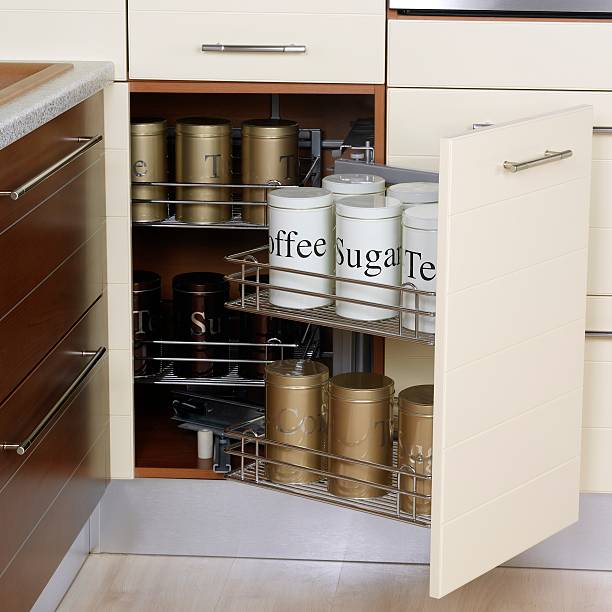
Once you know the cabinet dimensions, select a storage solution that matches the cabinet configuration and your intended use. UM blind corner cabinet organizer is often suitable for cabinets where part of the storage area disappears behind the adjacent cabinet. Pull-out mechanisms can bring stored items toward the user, making deep areas easier to access.
For corner cabinets with a suitable opening and central rotation point, a lazy Susan or rotating shelf can provide convenient access by allowing stored items to move around the cabinet. Swing-out trays offer another practical approach by bringing multiple storage levels toward the cabinet opening. These systems can work particularly well for cookware, recipientes para alimentos, pequenos eletrodomésticos, and other frequently used kitchen items.
The best solution depends on more than storage capacity. Consider how often the cabinet will be used, what types of products will be stored inside, and how much movement the mechanism requires. A system designed for heavy cookware should have an appropriate load rating, while a system for lighter pantry products may prioritize smooth movement and flexible organization.
Etapa 3: Prepare the Cabinet for Installation
Before attaching the hardware, remove loose shelves, stored items, and any components that could interfere with installation. Clean the cabinet interior so that mounting surfaces are free from dust and debris. If the cabinet already contains an old organizer or fixed shelf, remove it carefully and inspect the cabinet structure before proceeding.
Place the installation components inside the cabinet and compare them with the supplied installation instructions. Identify the mounting brackets, trilhos, dobradiças, bandejas, support posts, and adjustment points before fixing anything permanently. This simple preparation step can make the installation process much easier.
For professional cabinet installations, it is also important to confirm that the cabinet construction can support the storage system and its intended load. A strong mounting surface helps maintain stability, particularly when the organizer carries heavy kitchen items.
Etapa 4: Position and Mount the Hardware
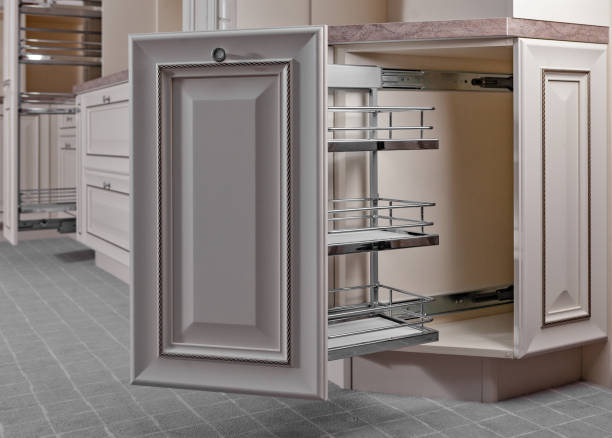
With the cabinet prepared, position the main mounting hardware according to the installation guide. For a pull-out corner cabinet storage solution, the mounting rail or support structure should remain properly aligned with the cabinet opening. For a rotating or swing-out system, the central mechanism must remain level and correctly positioned so that the shelves or trays can move without resistance.
Do not fully tighten every screw immediately if the system allows adjustment. Primeiro, loosely secure the hardware and check its position. This gives you room to make small corrections before final tightening. Accurate alignment is especially important for moving storage systems because even a small positioning error can affect smooth operation.
After confirming the position, secure the mounting hardware firmly. Avoid overtightening screws, particularly when working with cabinet panels that could be damaged by excessive pressure. The goal is to create a stable connection without compromising the cabinet material.
Etapa 5: Install the Shelves, Bandejas, or Baskets
After securing the main mechanism, install the storage components. Dependendo do projeto, this may include shelves, cestas, bandejas, or swing-out platforms. Follow the manufacturer’s recommended sequence because some systems require specific components to be installed before others.
At this stage, check that each storage level sits securely and remains properly aligned. If the system offers adjustable shelf heights, position the shelves according to the products you plan to store. Taller items may require more vertical space, while smaller containers can benefit from additional levels.
An adjustable organizador de armário de canto can provide greater flexibility because the internal layout can change as storage needs evolve. This is particularly useful in kitchens where the same cabinet may be used for cookware, produtos de despensa, material de limpeza, or small appliances over time.
Etapa 6: Test the Movement and Make Adjustments
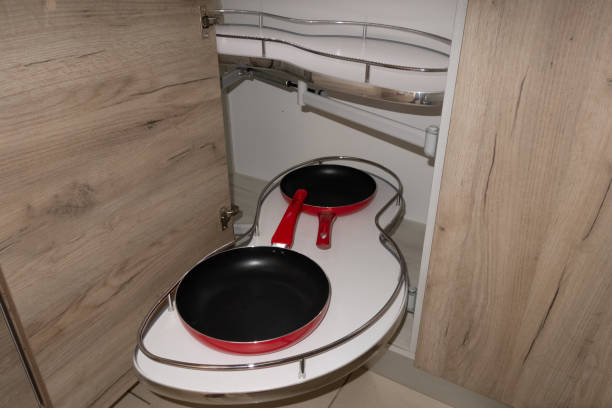
Antes de carregar o gabinete, test the entire system several times. Open and close the cabinet door, pull the organizer forward, rotate the shelves, or swing the trays outward, depending on the system you have installed. Watch for resistance, uneven movement, unusual noise, or contact with the cabinet walls.
If the organizer does not move smoothly, check the alignment of the mounting hardware first. Also inspect the clearance between the storage components, cabinet frame, door, dobradiças, and adjacent cabinets. Many installation issues can be corrected through small adjustments to the mounting position or mechanism.
Once the system operates smoothly when empty, add a small amount of weight and test it again. Gradually increase the load while ensuring that the movement remains stable. Avoid placing all heavy items on one side of a rotating or swing-out system because uneven weight distribution can affect performance.
Common Installation Mistakes to Avoid
One common mistake is choosing a storage system before measuring the cabinet. A product that looks suitable may not fit the actual internal dimensions or door opening. Another frequent problem is ignoring adjacent cabinet clearance. Corner storage mechanisms need room to move, and insufficient clearance can cause doors, bandejas, or baskets to collide.
Overloading the organizer is another issue worth avoiding. Every storage mechanism has a recommended load capacity, and exceeding it can affect movement and long-term durability. It is also important to distribute heavier items evenly rather than concentrating them in one location.
Finalmente, do not skip the adjustment and testing stage. A corner cabinet storage solution may appear correctly installed but still require fine adjustment for smooth operation. Taking a few extra minutes to test the system can significantly improve everyday usability.
Conclusão
A difficult-to-access corner does not have to become wasted cabinet space. Com medições precisas, the right storage mechanism, and careful installation, um corner cabinet storage solution can turn a deep or blind area into organized and accessible storage. Pull-out organizers, rotating systems, swing trays, and other specialized solutions allow users to make better use of the cabinet footprint without sacrificing convenience.
Para fabricantes de cozinhas, fabricantes de gabinetes, distribuidores de móveis, and home organization professionals, choosing the right corner storage system is equally important during the design stage. A well-planned solution can improve accessibility, create a more organized interior, and provide a better overall user experience.
When planning a new kitchen or upgrading an existing cabinet, start with the cabinet dimensions, identify the storage challenge, and then select a mechanism designed for that specific space. With the right combination of design and installation, even the most difficult corner can become an efficient part of the overall storage system.